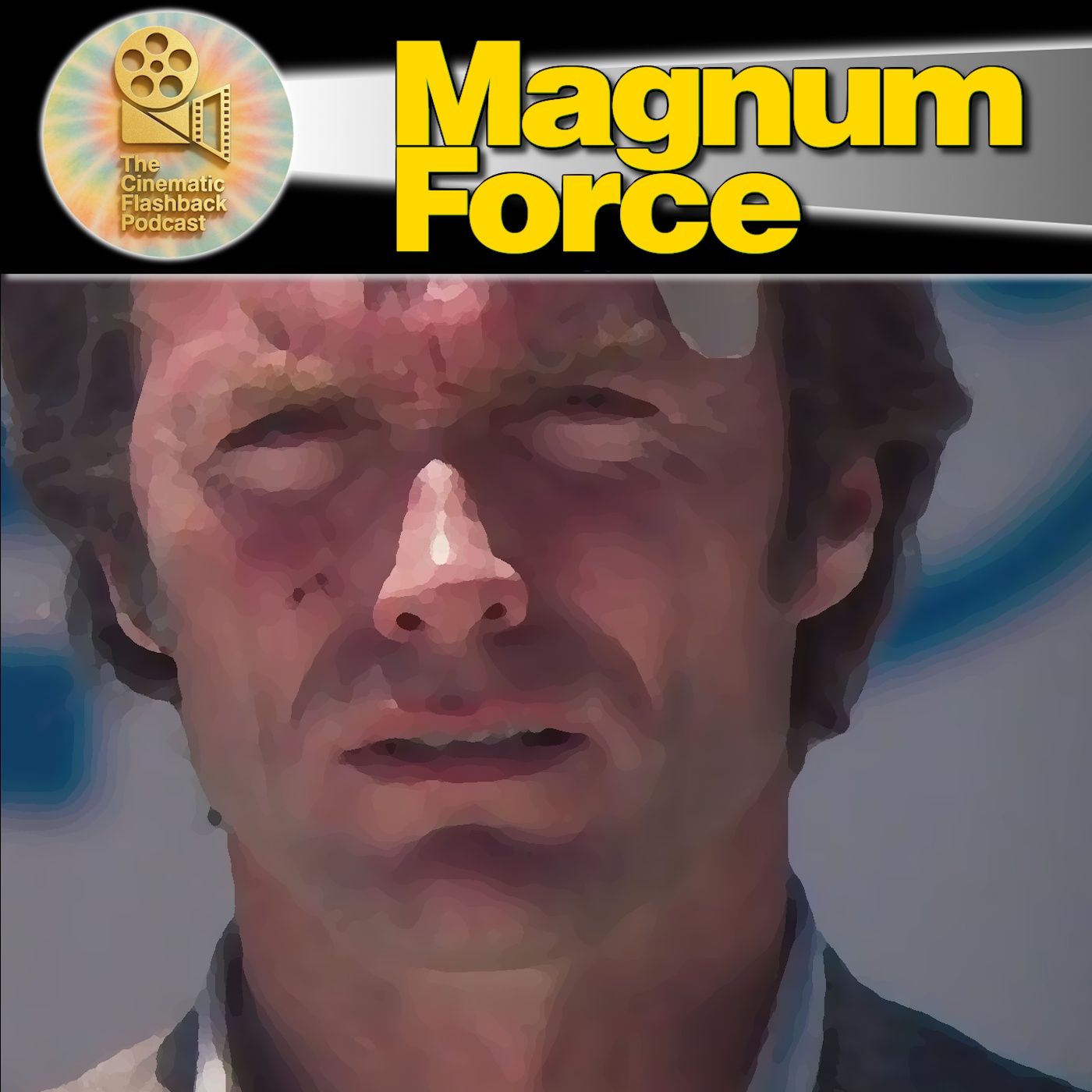
Magnum Force (1973): Dirty Harry Faces a Badge With a Dark Side
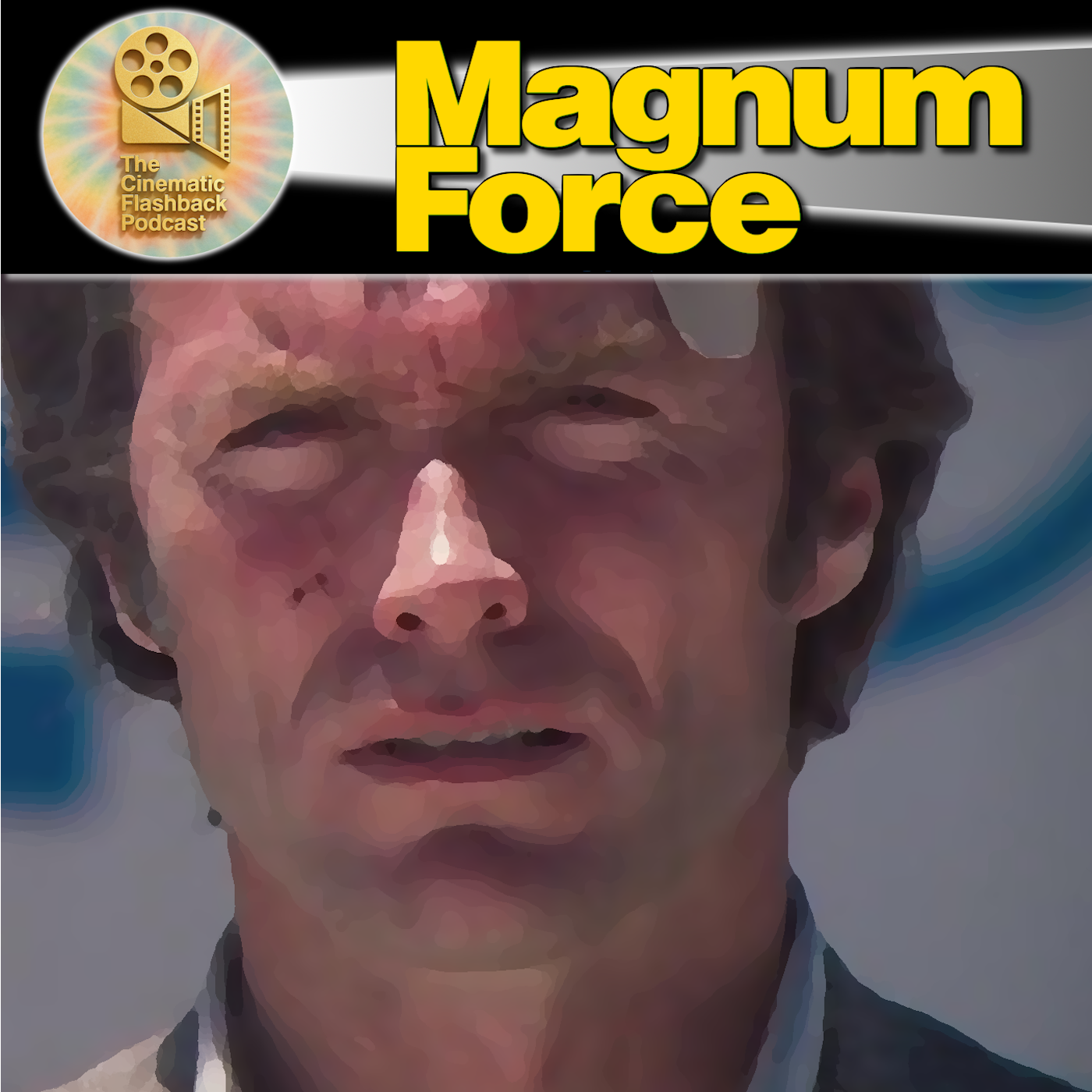
When audiences returned to Magnum Force, they were not simply getting more of Dirty Harry. This sequel arrives with a clear awareness of how the original film was received and adjusts its focus accordingly. Instead of presenting Harry Callahan as a lone figure pushing the limits of the law, the film places him in a situation where he must confront something more unsettling. The threat is no longer just criminals on the street, but members of law enforcement who believe the system itself no longer works.
Clint Eastwood returns to the role with confidence. From his first appearance, the character feels familiar, and the film does not spend time trying to redefine him. What it does instead is reposition him within the story. The opening sequence sets that tone immediately. A mob figure is executed by someone dressed as a motorcycle officer, but the film avoids clearly identifying the shooter. By focusing on details like boots and a helmet, it creates uncertainty that carries through the early part of the investigation.
One of the more interesting elements of the film is how directly it responds to criticism of Dirty Harry. Where the earlier film raised questions about excessive force and the limits of law enforcement, this sequel places Harry in opposition to those ideas. A group of younger officers has decided that the courts are ineffective and that criminals should be dealt with outside the system. Harry does not agree with that approach. In this story, he represents restraint rather than excess, which creates a different kind of tension.
Hal Holbrook plays Lieutenant Briggs, who serves as the center of this conflict. Holbrook brings a calm and controlled presence to the role, which fits the character’s authority. That same quality also makes him less immediately suspicious, which allows the film to hold back its reveal. The performance works because it does not draw attention to itself, even as the character’s role in the story becomes more important.
The supporting cast includes several recognizable faces. David Soul, Robert Urich, Tim Matheson, and Kip Niven appear as the younger officers, while Felton Perry provides a steady presence as Harry’s partner, Early Smith. Perry’s role helps ground the investigation and gives Harry someone to work against and alongside as the story develops.
The film also continues Eastwood’s tendency to work with familiar character actors. Albert Popwell appears in a different role from his earlier work in the series. In this film, he plays a pimp who crosses paths with Harry during the investigation....at the morgue! As noted in the discussion, Popwell had appeared previously in the Dirty Harry series and would return again later, becoming one of the recurring faces connected to these films.
Another shift in Magnum Force is the space given to Harry outside of direct police work. The film includes moments that show him in more personal settings, which adds dimension to the character without changing who he is. These scenes do not slow the story down. Instead, they provide context and make the investigation feel more grounded.
The investigation itself unfolds in a deliberate way. As Harry begins to suspect that the killings may involve someone within the police force, the story moves away from straightforward action and toward something more focused on observation and deduction. One of the stronger sequences involves a shooting range competition, where Harry intentionally loses in order to gain access to a suspect’s weapon. It is a small but important detail that reinforces how he operates.
The film also includes a brief appearance by Suzanne Somers during the mob pool party scene. It is a short moment, but one that stands out in retrospect.
By the final act, the film reveals that the younger officers are working together under Briggs as a coordinated group carrying out their own version of justice. The confrontation that follows works because the film has taken the time to build toward it. The officers attempt to bring Harry into their group, and when he refuses, the conflict becomes direct. The closing sequences rely on positioning and experience rather than spectacle, which fits the tone the film has established.
Viewed today, Magnum Force holds up well. It does not try to repeat the original film. Instead, it expands on the character and places him in a situation that challenges his role within the system. The result is a film that gives Harry Callahan a different kind of opponent and allows the story to develop in a more measured way.

Chuck Bryan is a technology consultant, podcaster, and film enthusiast with a deep love for the bold storytelling and cultural shifts of 1970s cinema. As host of The Cinematic Flashback Podcast, Chuck explores the decade’s most iconic and overlooked films, digging into the artistry, impact, and behind-the-scenes stories that shaped an era. Off the mic, Chuck brings his passion for clarity and systems thinking to the world of software development and automation.
The Deer Hunter (1978): Brotherhood, Trauma, and the Long Shadow of War